Chapter Two contains two sections. The first (2:1-12) highlights the first sign that Jesus performed (2:11), demonstrating his glory. The main point of the miracle is to highlight that better has come to the people of God in the coming of the Messiah, the Lord Jesus Christ. Although the Old Testament pointed to Christ in everything, it was a mere type and shadow of the substance (the old wine). Now, the new wine has come represented by the coming of the Savior. He is the fulfillment of all that the Old Testament said.
The Morning Devotional for September 15, 2023 The Westminster Confession of Faith 28.6-7
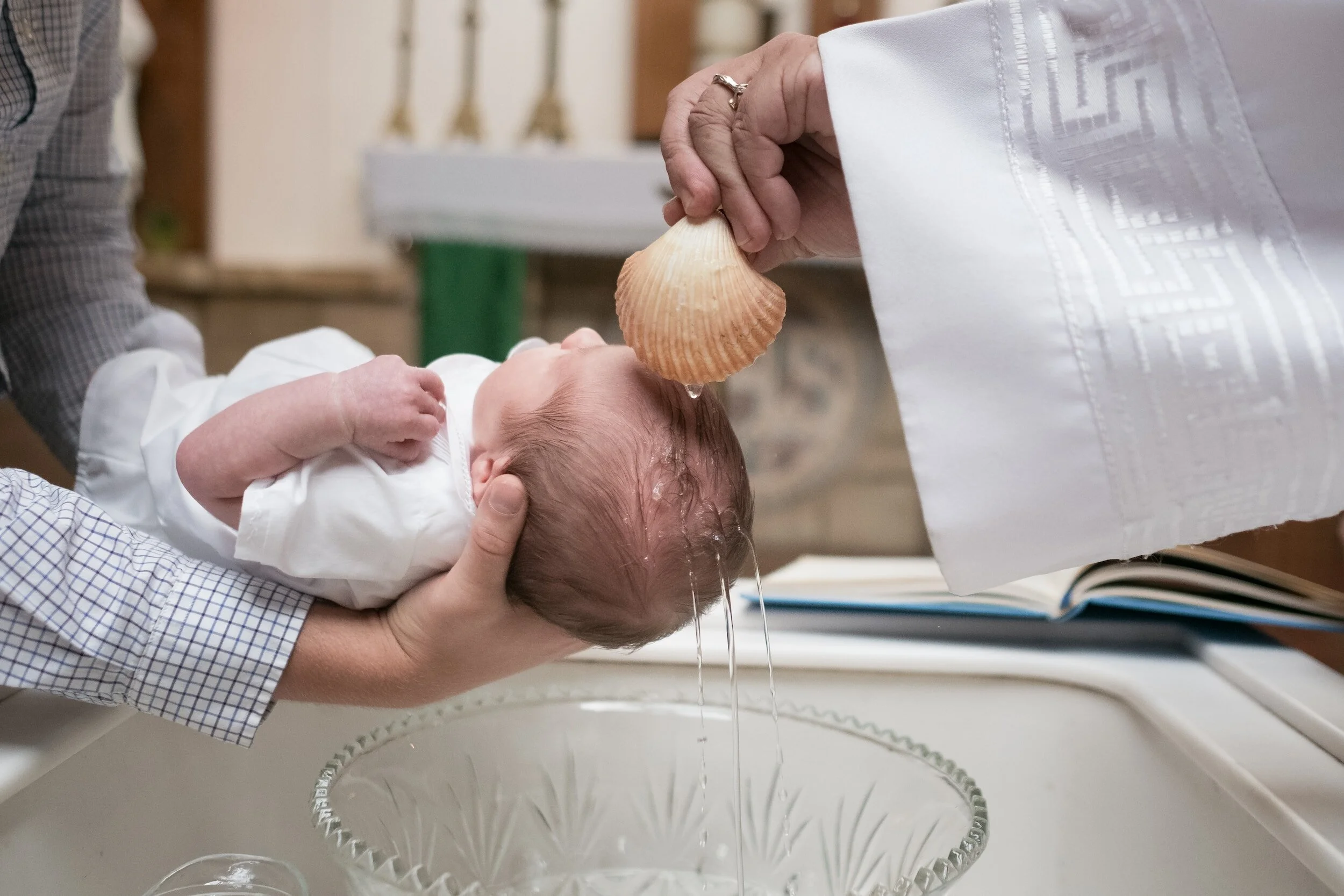
VI. The efficacy of baptism is not tied to that moment of time wherein it is administered;a yet, notwithstanding, by the right use of this ordinance the grace promised is not only offered, but really exhibited and conferred by the Holy Ghost, to such (whether of age or infants) as that grace belongeth unto, according to the counsel of God’s own will, in his appointed time.b
The Morning Devotional for September 14, 2023 The Westminster Confession of Faith 28.5
V. Although it be a great sin to contemn or neglect this ordinance,a yet grace and salvation are not so inseparably annexed unto it, as that no person can be regenerated or saved without it,b or that all that are baptized are undoubtedly regenerated.c
The Morning Devotional for September 13, 2023 The Westminster Confession of Faith 28.4
IV. Not only those that do actually profess faith in and obedience unto Christ,a but also the infants of one or both believing parents are to be baptized.b
The Gospel according to John, is different than the Synoptic Gospels (Matthew, Mark, and Luke). Synoptic means “to see together,” which is why much of what is contained in those Gospel accounts is similar. John, however, is unusual. The account is framed around the various signs Jesus performed (E.g., 2:11, 23). John uses those signs to establish and prove his purpose in writing the Gospel. He writes, "Now Jesus did many other signs in the presence of his disciples, which are not written in this book, but these are written so that you may believe that Jesus is the Christ, the son of God and that by believing you may have life in his name." (John 20:30-31). Therefore, as you read through this Gospel, it is essential to always keep that purpose before you.
The Morning Devotional for September 11, 2023 The Westminster Confession of Faith 28.2
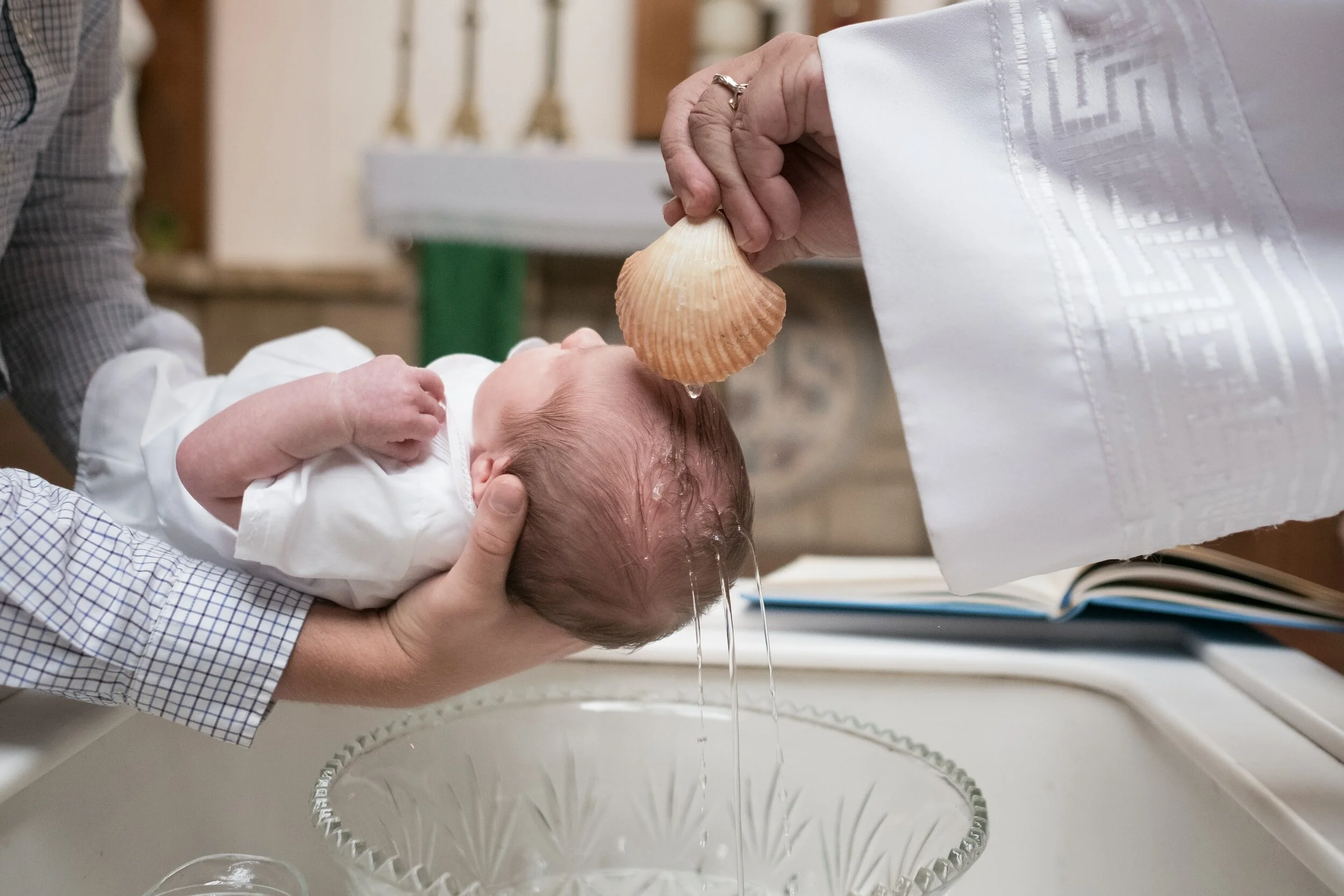
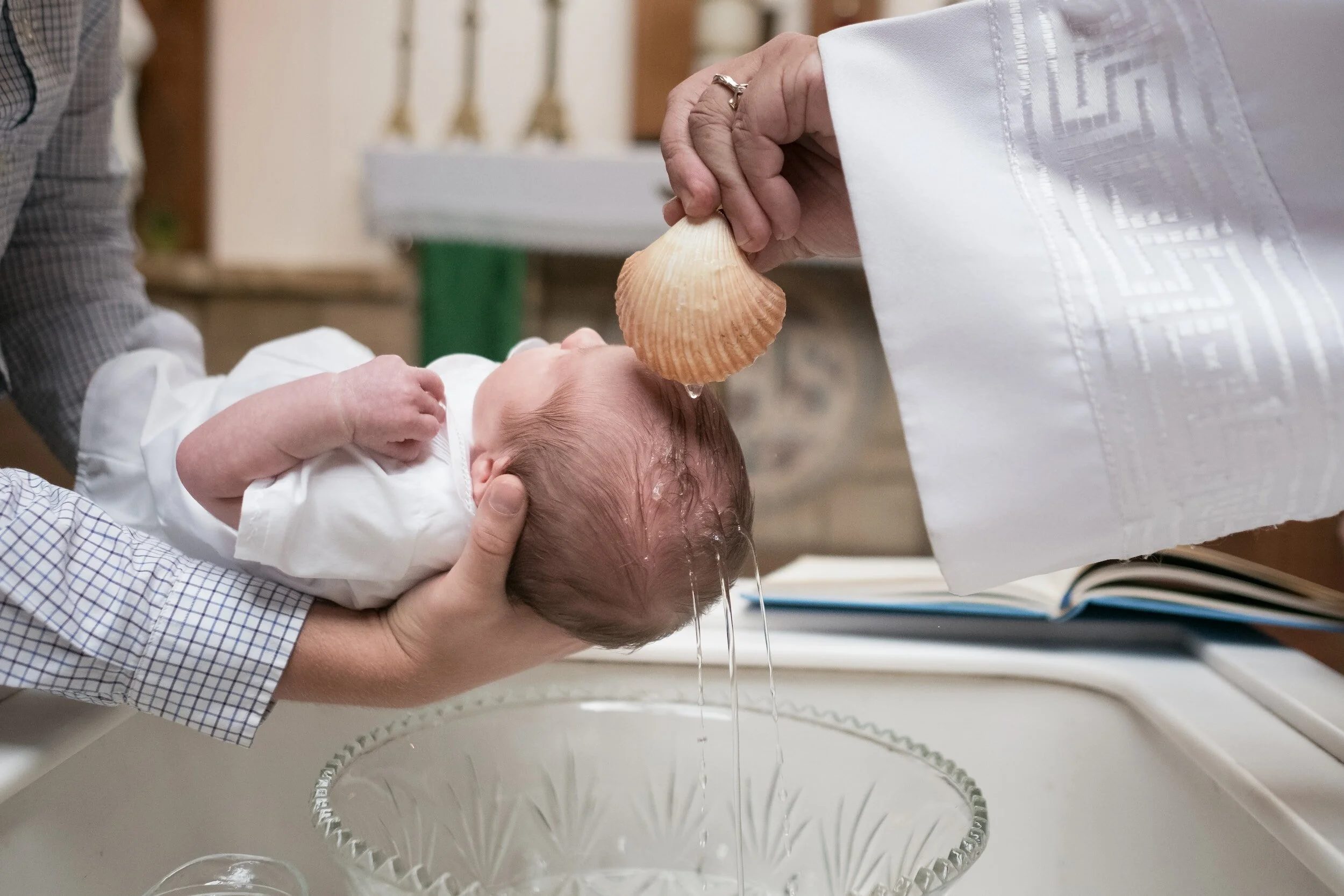
II. The outward element to be used in this sacrament is water, wherewith the party is to be baptized in the name of the Father, and of the Son, and of the Holy Ghost, by a minister of the gospel lawfully called thereunto.
The Morning Devotional for September 8, 2023 The Westminster Confession of Faith 28.1
I. Baptism is a sacrament of the New Testament, ordained by Jesus Christ,a not only for the solemn admission of the party baptized into the visible Church,b but also to be unto him a sign and seal of the covenant of grace,c of his ingrafting into Christ,d of regeneration,e of remission of sins,f and of his giving up unto God, through Jesus Christ, to walk in newness of life:g which sacrament is, by Christ’s own appointment, to be continued in his Church until the end of the world.h
Genesis 30 continues the events that began in 29:31 with the contest between the two wives of Jacob. Lean was the more fertile of the two wives, and Rachel was envious of her sister, demanding Jacob to give her children. Of course, that was out of Jacob’s hands as he pointed out to her, “Am I in the place of God, who has withheld from you the fruit of your womb?” The Bible is clear that the Lord opens the womb and closes it. Many years ago, I knew a couple who were told they could not have children. For years, that medical opinion seemed accurate. One day, suddenly, the wife was pregnant. The Lord does determine who will and who will not have children. As a result of Rachel’s frustration, she employs her servant to give Jacob offspring. Eventually, God opened the womb of Rachel and gave birth to Joseph. That significant act will establish the narrative until the end of the book. Joseph will become a significant figure in the lives of God’s people.
V. The sacraments of the Old Testament, in regard of the spiritual things thereby signified and exhibited, were, for substance, the same with those of the New.a
The Morning Devotional for September 6, 2023 The Westminster Confession of Faith 27.4
IV. There be only two sacraments ordained by Christ our Lord in the Gospel, that is to say, Baptism and the Supper of the Lord: neither of which may be dispensed by any but by a minister of the Word lawfully ordained.a
The Morning Devotional for September 5, 2023 The Westminster Confession of Faith 27.3
III. The grace which is exhibited in or by the sacraments, rightly used, is not conferred by any power in them; neither doth the efficacy of a sacrament depend upon the piety or intention of him that doth administer it,a but upon the work of the Spirit,b and the word of institution, which contains, together with a precept authorizing the use thereof, a promise of benefit to worthy receivers.c